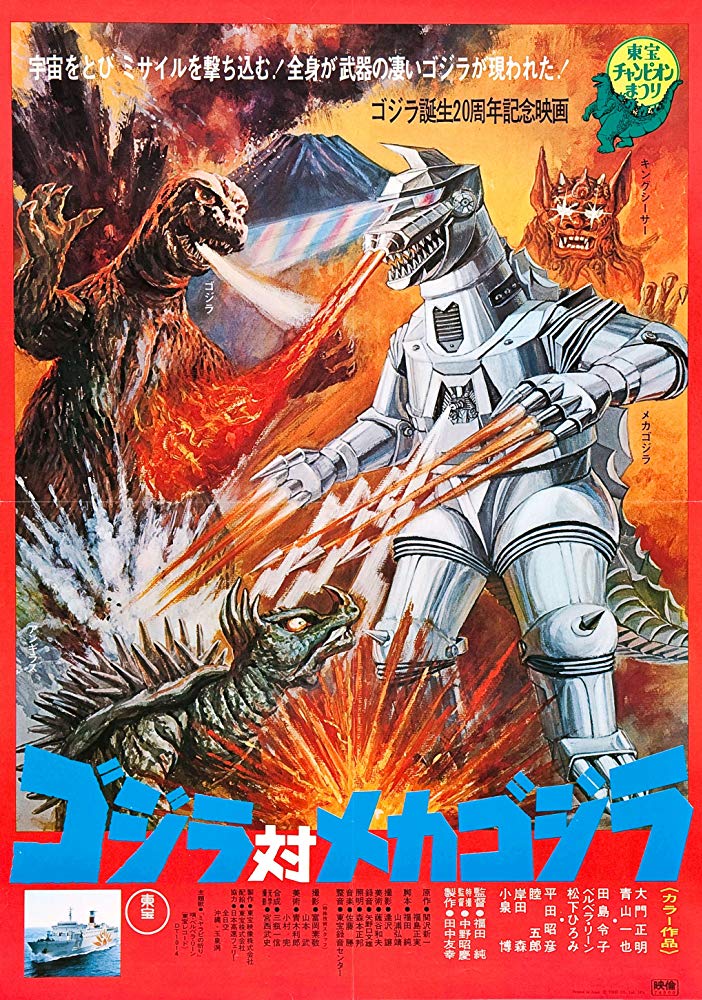
In Okinawa, an Azumi priestess sees a vision of a giant monster (although sadly the wrong one) attacking a city. Meanwhile strange things begin to happen. A young man discovers a strange metal in a cave, whilst at an excavation, a construction worker and an investigative archeologist discover an ancient statue of a dog like creature. The vision is starting to unravel in the form of an ancient prophecy, that warns of an evil monster coming to destroy the world. However, things take an even more shocking turn; with a now supposedly good Godzilla arriving, with a brand new roar; to destroy the world!
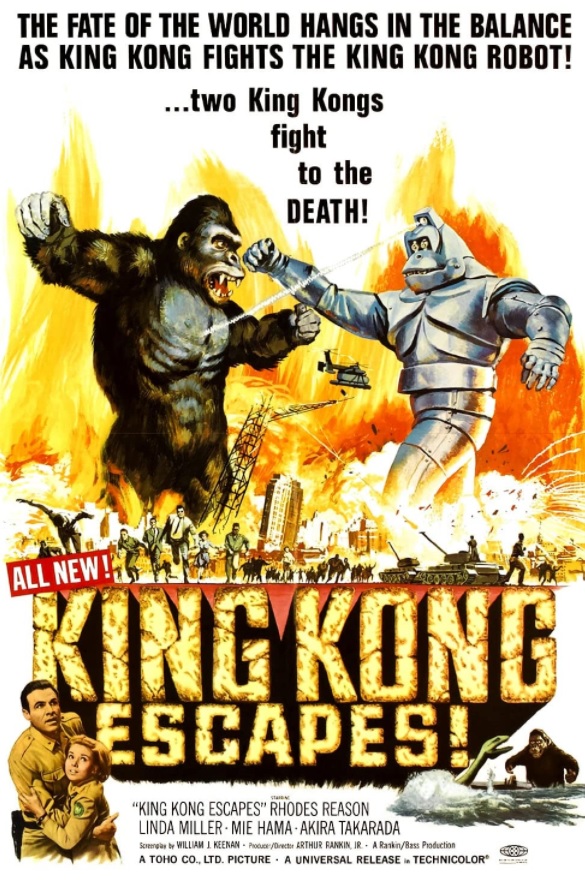
Released in 1974, and directed by Jun Fukuda; Godzilla vs. Mechagodzilla is the 14th film in the Godzilla series, and the second to last film of the Shōwa era. The film stars Masaaki Daimon, Kazuya Aoyama, Reiko Tajima, Akihiko Hirata, Hiromi Matsushita, Gorô Mutsumi, Masao Imafuku, Shin Kishida, Takayasu Torii, Bellbella Lin, Daigo Kusano, and Hiroshi Koizumi. Godzilla vs. Mechagodzilla is a film of several firsts, but also several lasts as well. It is the first film to feature both Mechagodzilla and King Ceasar, but it is also the last film for 30 years to feature Anguirus. The film is also the last one to be directed by Fukuda, and the last to feature a score composed by Masaru Satô. Although it is somewhat surprising that it took Toho to make a film featuring a mechanized version of Godzilla, considering that it was only seven years previously when they made a film featuring a mechanizsed version of King Kong, in King Kong Escapes.
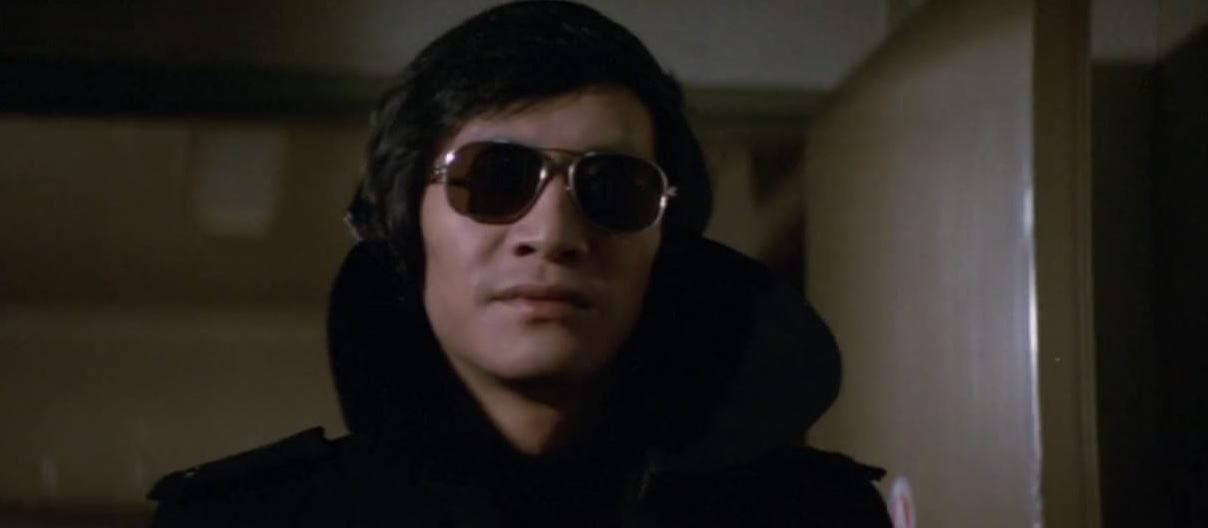
I can’t help but think that this film is the perfect recruitment film for Interpol. During a time when the James Bond film series had more than taken off; this film highlights that you should never join MI6, as Interpol is far cooler. Seriously, both agents in this film are two of the coolest guys ever seen in a Godzilla film. Sure being James Bond does seem great, but at Interpol, you are taught how to be truly cool. It’s also surprising to see how much “an international organization that facilitates worldwide police cooperation and crime control” knows about both Alien Invasions, and Alien Invaders who are very much interested in ancient human mythology. Sitting back and re-watching this film, I can’t help but wonder if I have made the wrong career choices, when I could have joined Interpol?!
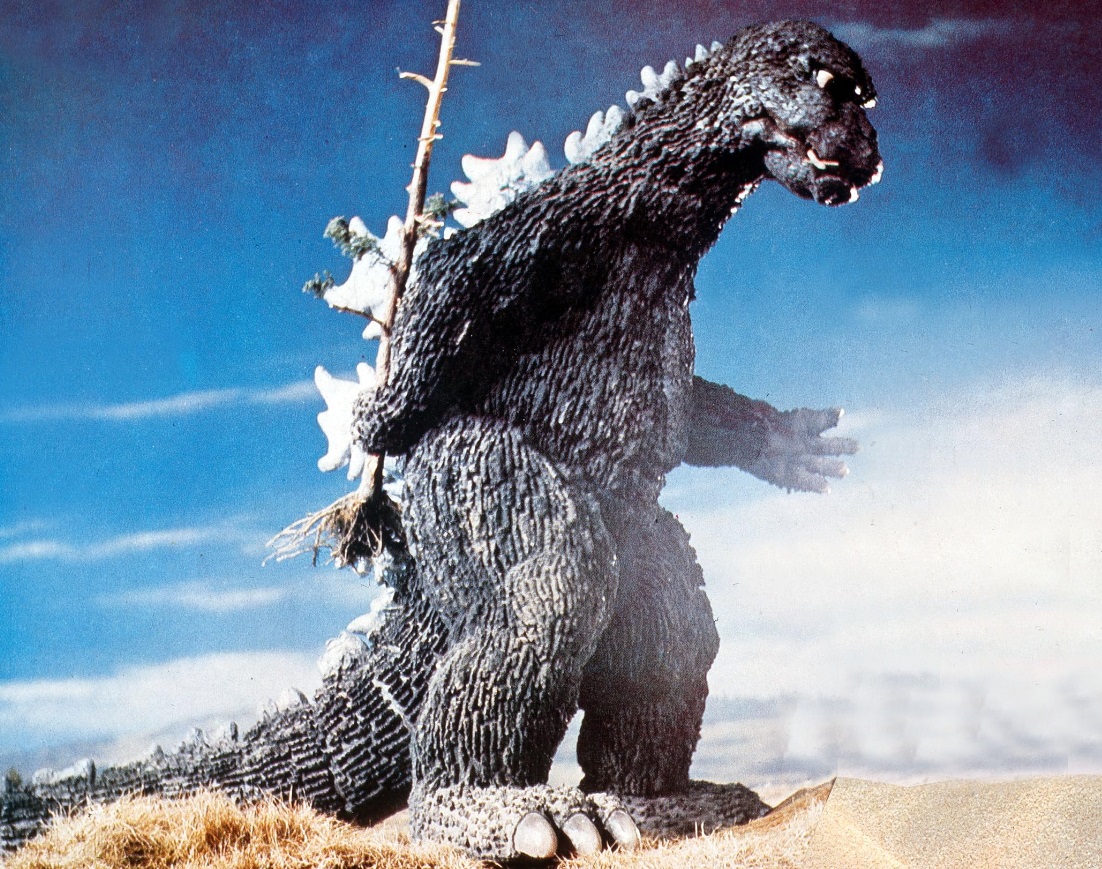
Godzilla vs. Mechagodzilla is one of the best film’s in the series thus far, which is kind of surprpising given how it’s a 1970’s Godzilla film. I have previously blogged about about the 1970’s Godzilla block, but for those needing a quick refresher; the 1970’s were possibly the darkest period for the series, given a string of badly produced films. Now admittedly one of those three could now be considered a decent classic (Gigan); however those films suffered from some poor production based decisions, the main one being the over-use of Stock Footage. Anyway, in a nutshell, the 1970’s, were poor.
It is also surprising that this one is good too, given that two out of the previuous three films, including the direct previous film (Megalon), which is one of the absolute worst film’s in the entire series; was directed by the same person who directed this film: Jun Fukuda. But personally, I don’t see Jun Fukuda as a bad director. He was one of Toho’s ‘go-to director for special effects films‘ for a reason, and whilst he did do a couple of poor film’s in the series, I could happilly argue that three of his five Godzilla films are amongst the best, and most memorable films in the series…for many good reasons. It is though an astounding entry, with many strong things in it’s favour, all of which, are rather flabbergasting (including it’s love letter to the hard working agents of Interpol).
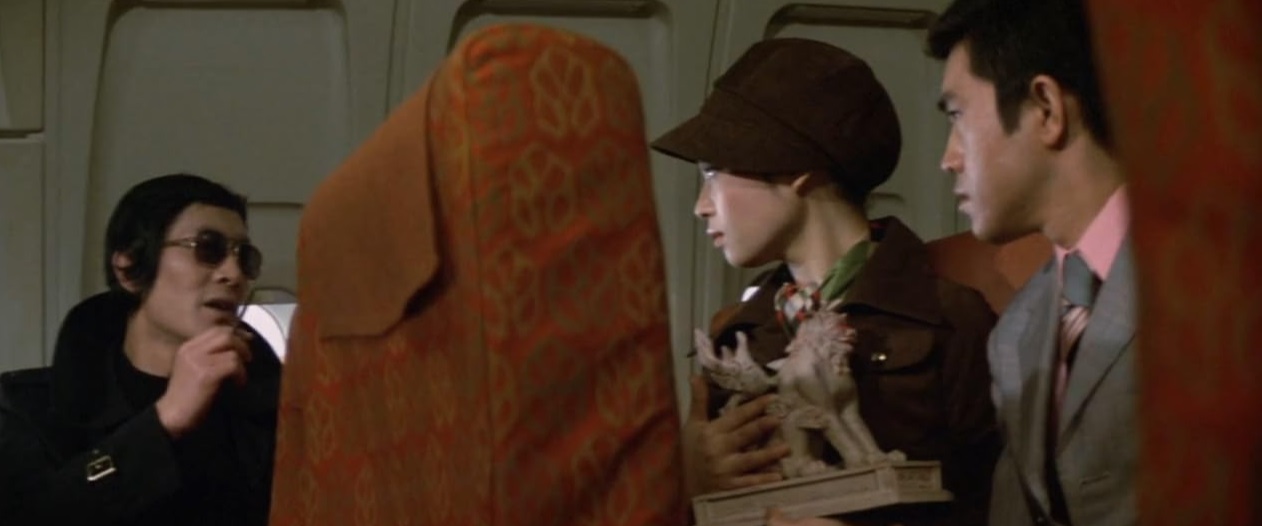
Some of it’s more astounding things early on however can be a little confusing, a they either seem to create minor plot elements which are not looked into further (like how a priestess can prophecy that a giant monster is going to destroy the world, but predicts entirely the wrong one, although I can’t help but wonder if the astonishly loud camera shutter caused it), or create a scene which does not really get explained (like the exploding mountain directly before the opening credits, or why the earthquake happened, or even who caused it), or how a ‘professor’ in ancient history, doesn’t know how to shoot a gun?!
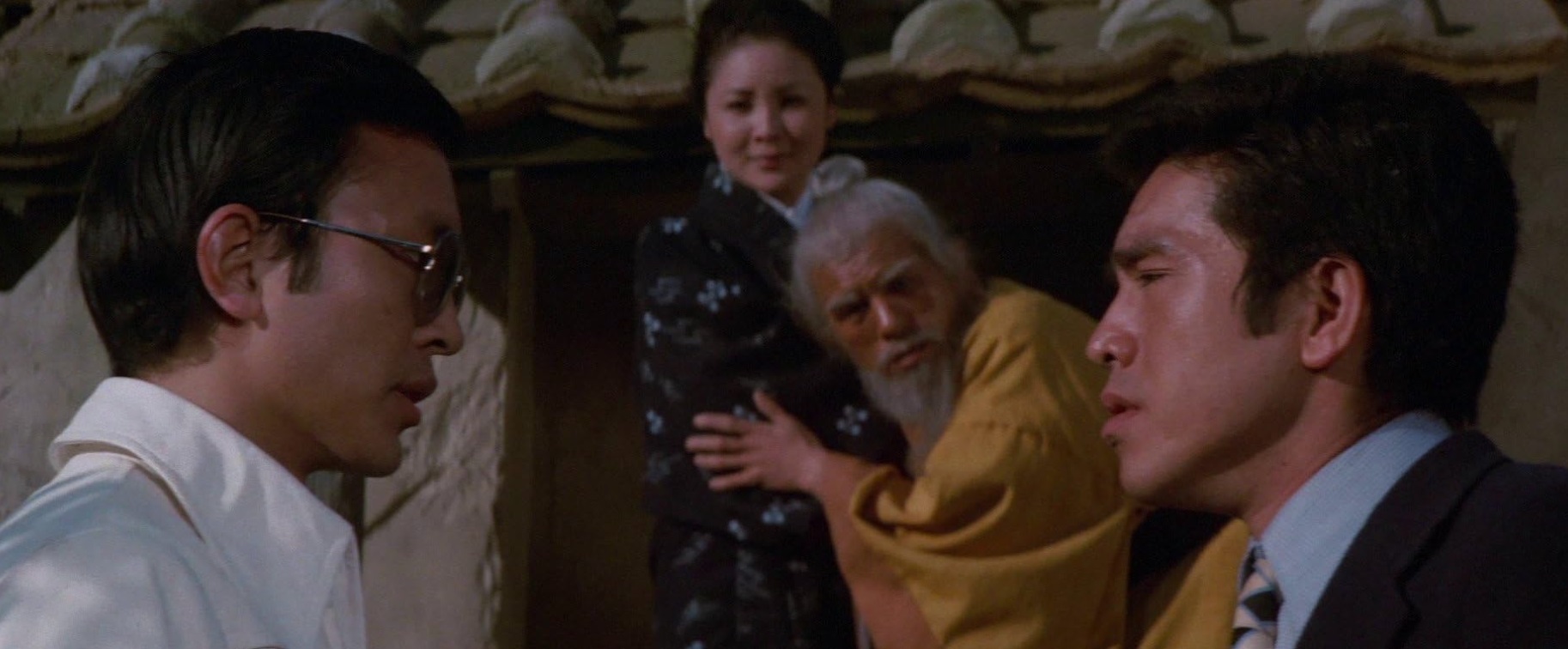
Firstly it does feature a rather inflated cast. Now where some films feature fleeting appearances of some characters, usually in government work, here the core cast is rather large, with virtually all of them being an integral part of the film’s plot. The human side to the plot though thankfully isn’t negated, as most of the second act just features the human/space monkey story. Oh yeah, the Aliens are green Space Monkeys in disguise, possibly included given the success of the Planet of the Apes film series between 1968 and 1973. This focus on the humanoid department though does lead nicely into something which is hard to ignore about both this film, and one or two others in the 1970’s also: “Violence!”

The film features an incredible amount of gore, with many sadistic uses of blood throughout, potentially making it the most violent/bloodiest film in the entire series, even though you may not necesarilly think it at first perhaps. The fights between the monsters themselves are only relatively brutal in ocassional moments, such as Mechagodzilla forcing his hand down King Ceaser’s mouth, or when poor Anguirus has his jaws ripped apart. In fact the only other really disconcerting moment in either of the big fights, is when Mechagozilla spins his head around.
It’s in the imagery during and after these fights though when it gets really gory. Scenes such as blood spraying out of Godzilla’s neck, him being bloodied towards the end of the last fight, and the horrific moment after the first fight, when you see blood rising to the top of the water.
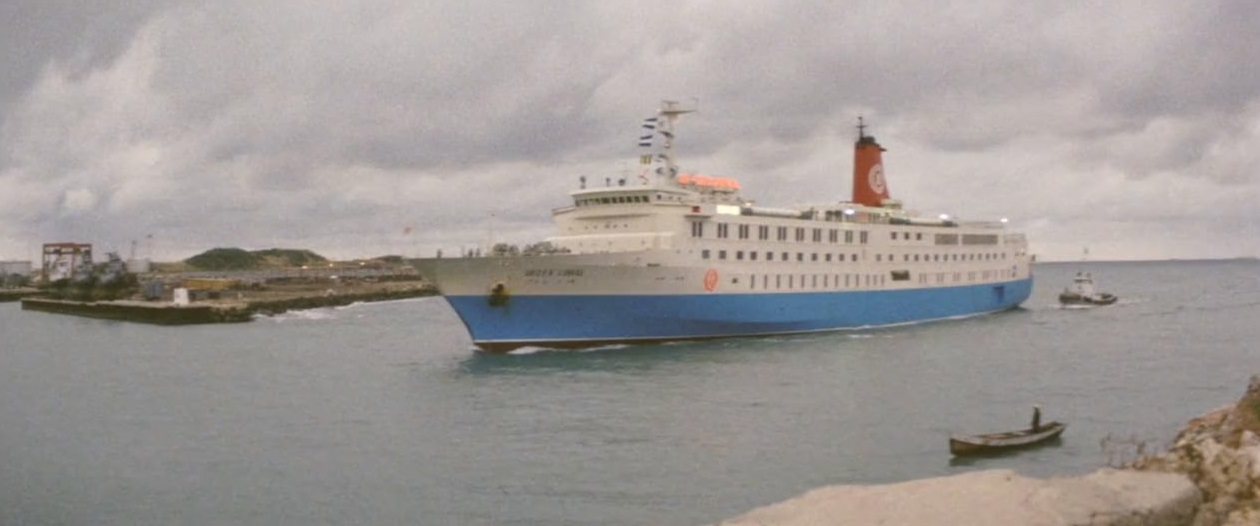
On the human side however, it’s a lot more brutal. The film features two exceptionationally choreographed fight scenes between Masaaki Daimon and Daigo Kusano. One at the Professor’s home with an energetic soundtrack, and the other running around on an ocean liner (one which is surprisingly empty at that time of the morning, no crew or anything, and no-one reacting to either the sound of two guns going off, or a man making monkey noises). Come to think of it, the violence is entirely focussed on the human side. There are:
- Brutal hand to hand fights,
- Scenes of torture and attempted suffocation,
- A character getting their hand cut and covered in blood,
- Another getting shot in the face,
- And some aliens bleeding black blood from the neck up.
Whereas the monster violence is actually pretty sedate by comparison, but with an excessive amount of blood.

But potentially the most astonishing thing about this film, is it’s soundtrack! Much like two of his earlier Godzilla films (Ebirah and Son – that’s two different films, not one about a Lobster and their offspring), Fukuda chose Masaru Satô as his composer, and as a result, the film lacks most recognized pieces of music you would come to expect from this series. Even more striking, is his choice of Jazz-Funk. The opening theme for instance has an intense build-up from a drum, and what I presume is a saxophone and trumpet combo.
Most of the score comes across as something you would hear in a swing/jazz dance club, not an earth shattering monster movie. Then there’s quite a lot of sweet harmonious pieces too, such as the opening and closing credits, and time spent on the Queen Coral. It does have it’s more tense moments too, from the spy like moments featuring the cool men from Interpol, but even in others, it feels downbeat, near relaxing tension rather than building it. And of course there’s a song specially written to wake up King Ceasar too. But you know what, I like it! It’s one of those rare instances in the series where there is a more memorable soundtrack, because it’s original. Rather than using the tried and true, it tries to be more independant, and take a risk. And like other films in this series, it’s these riskier ones, which standout to me, more than other soundtracks used in more well known/popular entries.
Godzilla vs. Mechagodzilla is one of the best film’s in the series, and a strong contender for best film featuring Mechagodzilla (for me it’s sort of between this and Against). It takes some surprpising and riskier directions on all fronts, but perhaps the three weaker entries gave the producers a swift kick up the bum to get their act together; and in turn it allowed Jun Fukuda to conclude his tenure on a high? It does feature some truly horrific moments of bloodlust, and some pretty violent things happening to humanoids too. But the story here is so strong, and well told, that you can’t take your eye off it (except to try and work out what kind of car that is), and it features a weird, but weirdly good soundtrack, one you’ll never forget. Plus it highlights many of the cool things you’ll experience when you sign up to join Interpol. It is an Amazing film, and one that launched it’s other titular monster into the hearts of fans worldwide, for generations to come!
 Things I Like
Terror of Mechagodzilla is also good fun
LikeLike
Agreed.
LikeLike