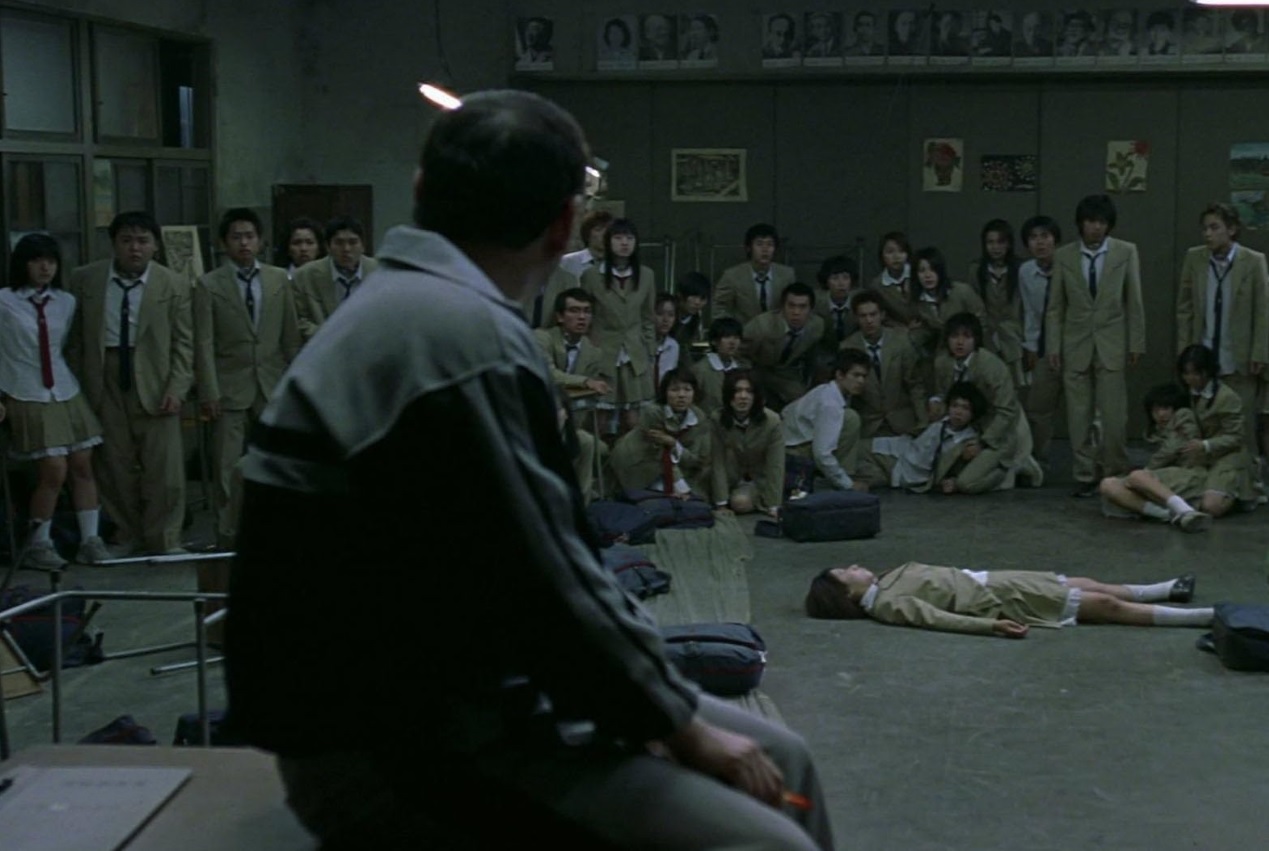
Thinking they were going on a school field trip; a group of ninth grade students wake up in a mysterious class room, with two ‘new’ students, and everyone now has strange collars around their necks. They are then greeted by their former teacher, who tells them that they have been selected to participate in that year’s game of Battle Royale. The rules are pretty simple: They each have three days…to kill each other off!
Released in 2000, and directed by Kinji Fukasaku; Battle Royale is a Japanese action movie, based on the 1999 novel of the same name by Koushun Takami. The film stars Tatsuya Fujiwara, Aki Maeda, Tarô Yamamoto, Masanobu Andô, Kô Shibasaki, Chiaki Kuriyama, Takashi Tsukamoto, Yûko Miyamura, and Takeshi Kitano. The film was followed by a sequel in 2003 called Battle Royale II: Requiem, with Kenta Fukasaku directing most of the film, after his father Kinji Fukasaku, passed away after shooting just one scene with Takeshi Kitano.
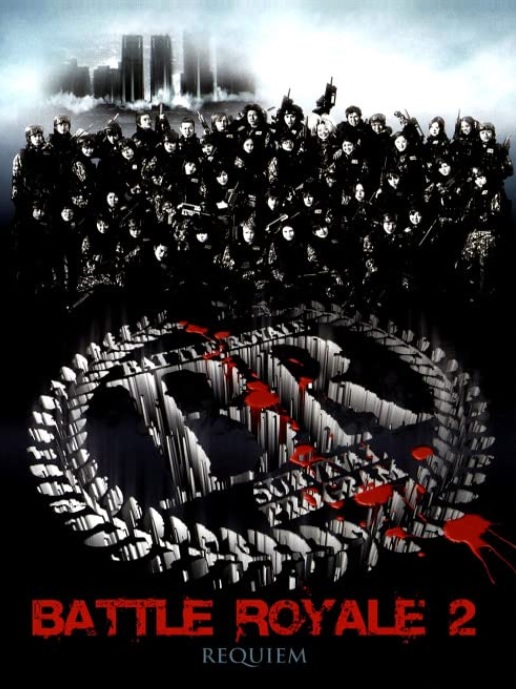
I first saw this film in 2013, but I had known about it for several years before hand, which meant that when a certain film with a very simillar idea was due for release in 2012, I like many couldn’t help but feel that said film was merely a rip-off of Battle Royale. That film in question, was of course; The Hunger Games. I am though now in a rather strange position, as I have seen and loved both Battle Royale and The Hunger Games, and have read both books that both films were based on. And I personally don’t consider The Hunger Games a rip-off of Battle Royale. But there are similarities.
Both Battle Royale and The Hunger Games both feature children being forced into killing each other, both of them are set in somewhat totalitarian regimes that are forcing this to happen, and both of them, are not as gruesome in their approach, as many people think they are when they first hear of them. The first time you hear of the idea, of teenagers/children being forced to kill each other, you immediately imagine, an immediate a blood bath. But again that doesn’t really happen in both, given again, that they are children. Most of the kids in both The Hunger Games and Battle Royale are scarred of the situation, and don’t turn into wild animals. In both cases a lot of the die either through choice, or because they are being picked off by one or two people who either enjoy killing, or have been trained for the situation.
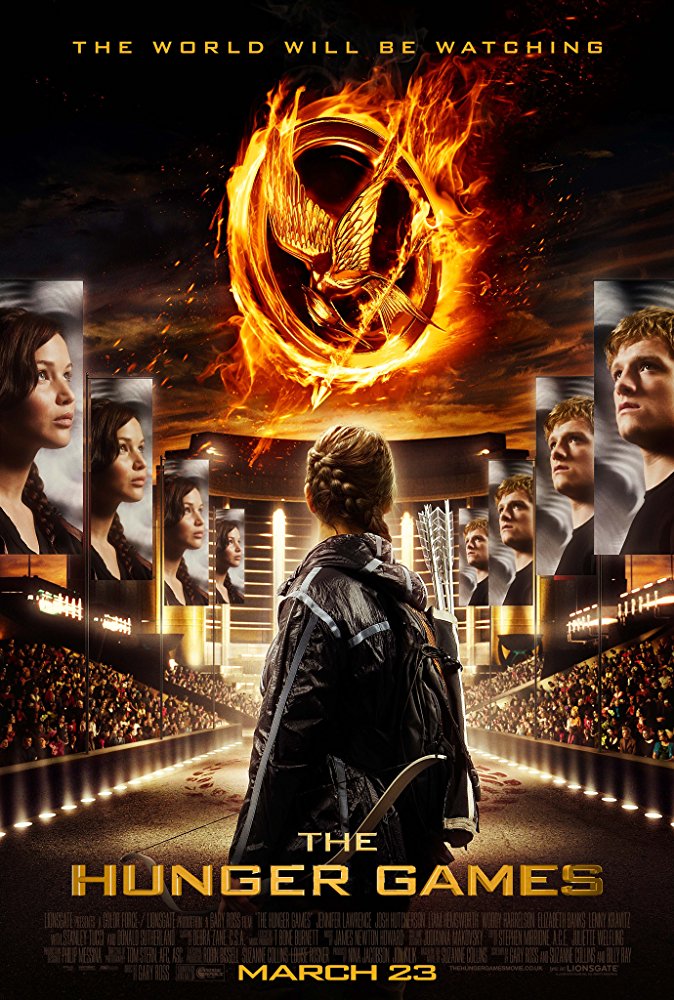
As for the totalitarian regime side; yes the act of forcing kids to kill each other is passed by the government, however the approach is sort of different. In Battle Royale’s case, the move to lay down the BR Act, is in an attempt to “curb juvenile delinquency” (although it’s hard to see how effective it is, when most of the kids in the film have no idea it’s going on anyway, plus it’s one class of 42-ish children once a year, and how many millions there must be in Japan at any one time). Whereas for The Hunger Games, the approach is more like a punishment/reminder of a failed rebellion against the Capitol that took place over 70 years ago.
Fair enough, the similarities between the two are very strong, and the differences are rather more subtle. But both The Hunger Games and Battle Royale are not really stories about gruesome killings. They are actually more about survival, in situations where it’s practically impossible, and the near futile relationships that develop between characters. But there is one huge difference (film wise) between the two. One of them is a teenage film with very little blood, or blood splatter, whereas the other one definetely has. It’s why The Hunger Games (in the UK) has a 12A age classification, where as Battle Royale has an 18 age classification, although that maybe because Battle Royale was directed by someone, who had a history of making very violent movies.
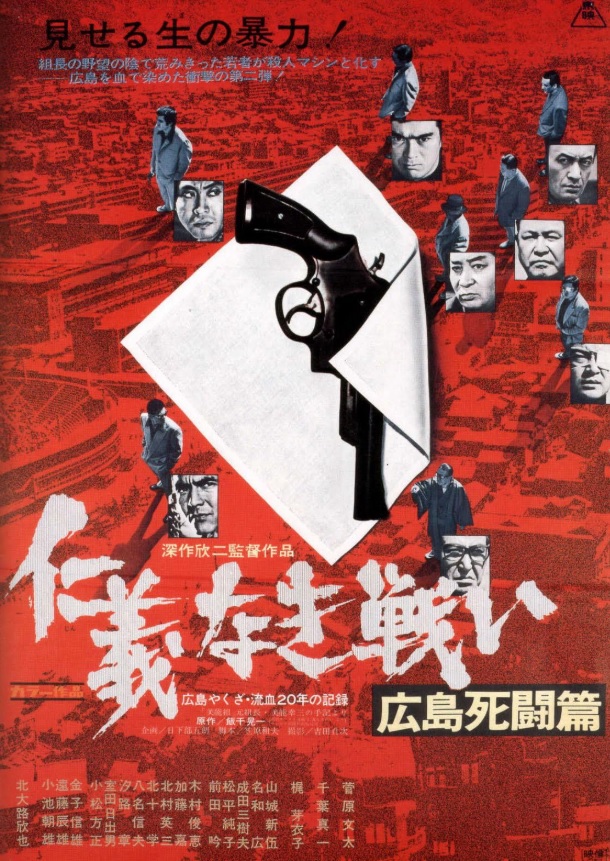
The argument of whether Hunger Games is a rip-off of Battle Royale (or the argumnent that Battle Royale is also a rip-off of The Running Man), is one that will likely run for decades to come, but I don’t really want to discuss that here though, I just know I needed to cover it a bit before launching into what I really wanted to talk about. What I want to talk about, is the sheer amount of detail in character development, one thing that you can take for granted with Battle Royale, but have a greater appreciation for, after you watch the sequel.
What makes Battle Royale a very interesting film, is the amount of time it takes in setting up backstories for every single character. Each one has a history, even kids who get killed within 5 or 10 minutes after the game starts (and even before), has a backstory to flesh them out, and give them some connection to the film’s lead characters. It actually helps make the first few deaths, that more tragic, and shocking, as virtually everyone has a reason to survive, even when you know they possibly can’t!
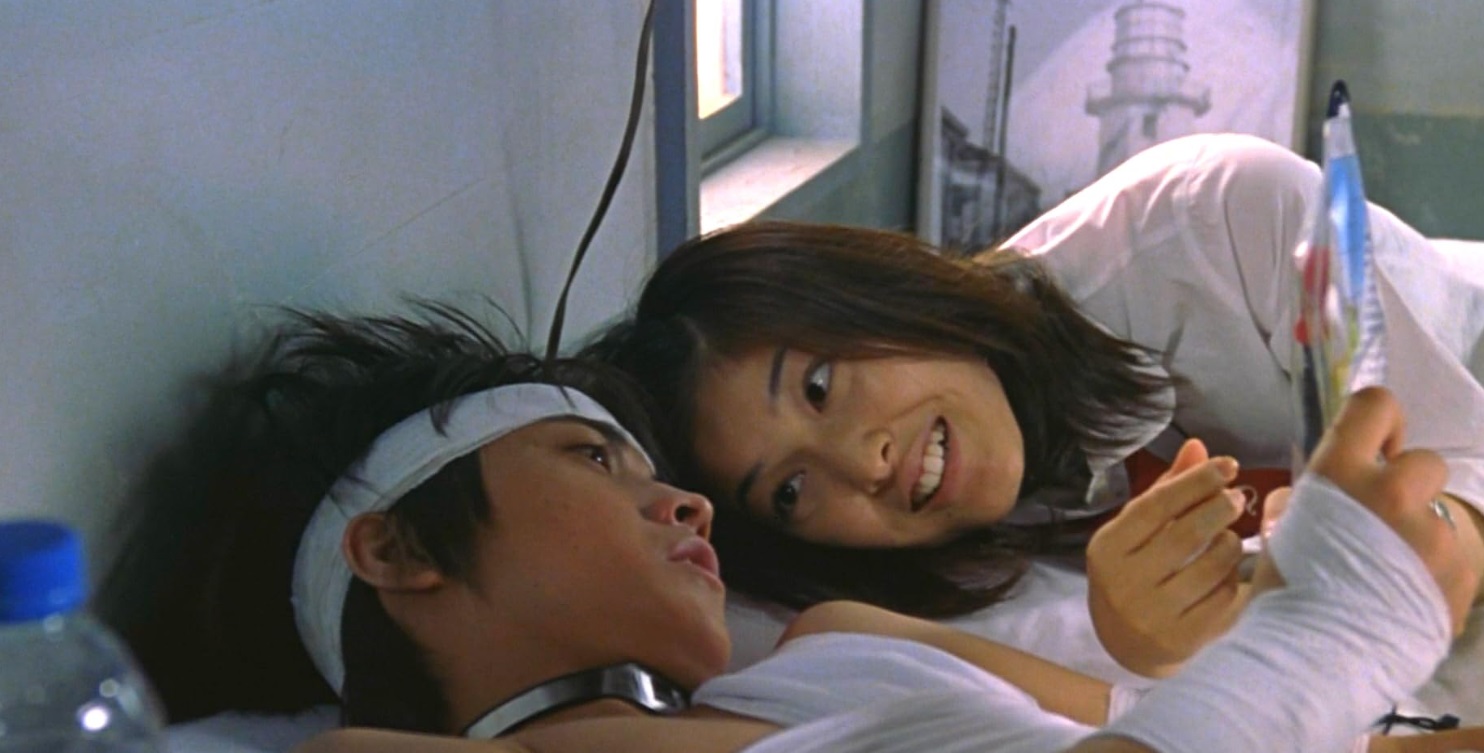
A good example of this, is the lighthouse scene. You have the lead character (Shuya Nanahara), being looked after by a friend (Yukie Utsumi – Eri Ishikawa), who may or may not have feelings for the lead character, but recognises that he likes someone else (Noriko Nakagawa). Then downstairs, whilst preparing dinner, the mood is very friendly, with girls gossiping about realtionships, like they are back at school, and not on an island being forced to kill each other. However, one of the girls (Yuko Sakaki – Hitomi Hyuga) wants to kill the lead character due to an incident she saw earlier, which leads them to try and kill the lead character, but then backfires, which causes the friendly atmosphere to turn into an ugly argument, which then leads to everyone downstairs trying to kill each other. You start off with this rather friendly scene, with a really nice friendly character, who you’ve barely seen up til now, and naturally now want to survive, but then suddenly dies after a cold and bitter argument, that started off so nicely.
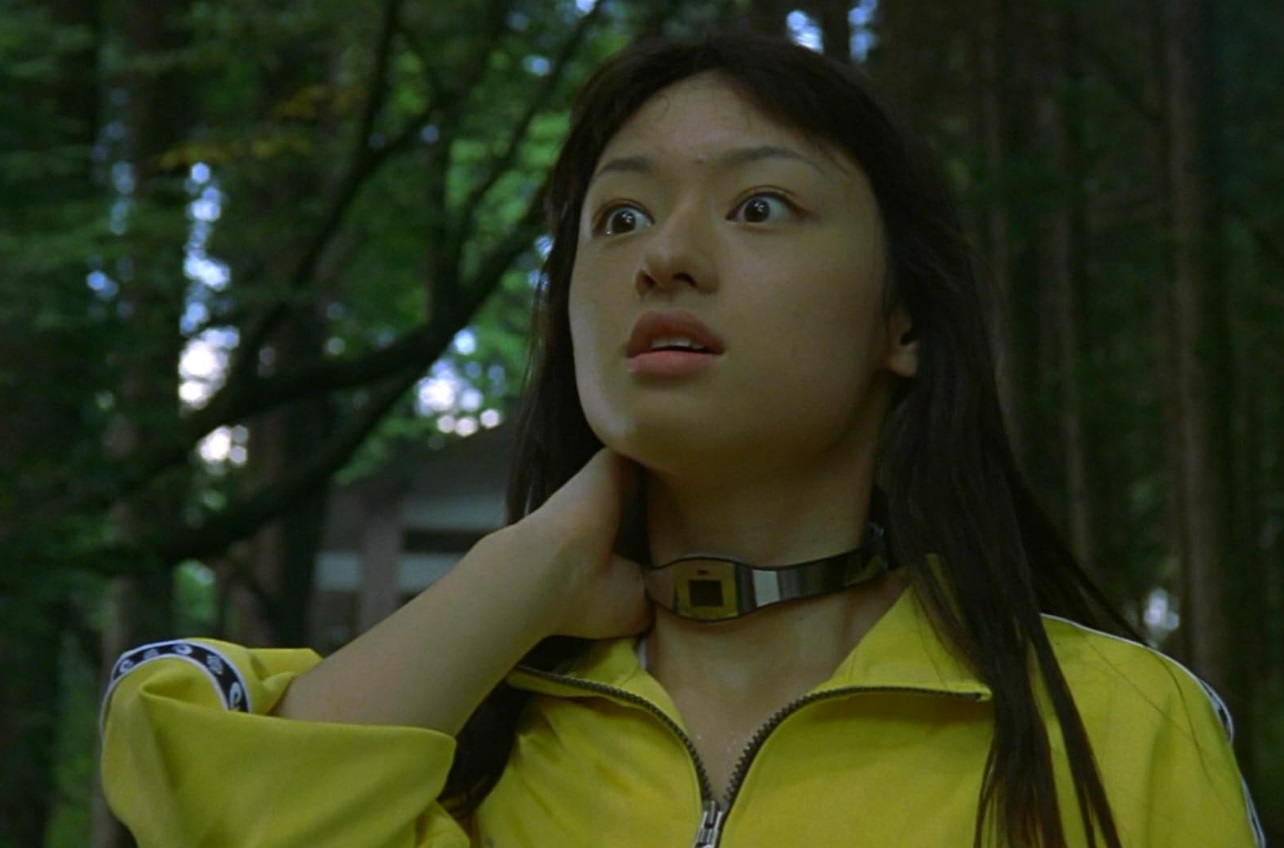
Giving characters these backstories to whom they are, as well as develop them in positive way does deliver a more shocking death, when you feel like they may survive. It’s a nice feeling, that hurts even more, as you get to know them. Takako Chigusa is another example, as you first see her as a nobody asking to go to the toilet, before then trying to make the most of this time on the island by going for a run, and acting like it’s just another day, and imaginging they were somewhere else, only then to suddenly get killed by one of the film’s lead monsters (Mitsuko Souma).
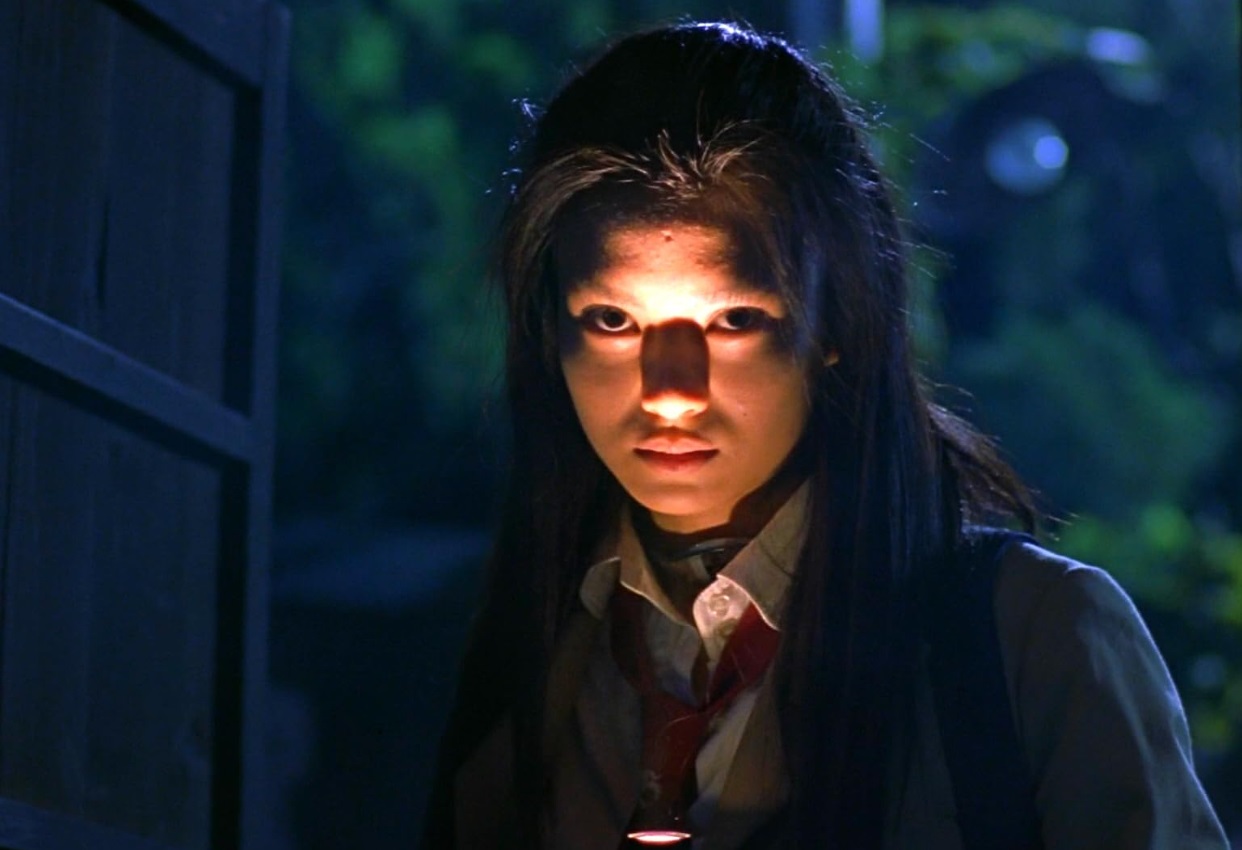
This attention to detail serves the film rather well, something the sequel chooses to ignore. Battle Royale II: Requiem chooses just to follow the scenario, and not to develop characters or relationships, so deaths of minor characters just sort of happen, as they are to be expected, but don’t hit hard on any emotional level, because they are expected, to characters with no backstory. Yes there are two or threee minor chacters you sort of care about, but again for no valid reason. In fact the only character who you genuinley care about, is the only one with any development/backstory; in Shiori Kitano (Ai Maeda). It’s not the situation that makes Battle Royale, the situation is the headline, the attention grabbing device. What makes the story, is the relationships, and the character facing the almighty struggle they are presented with. There is one character however; who can’t but help steal the show.
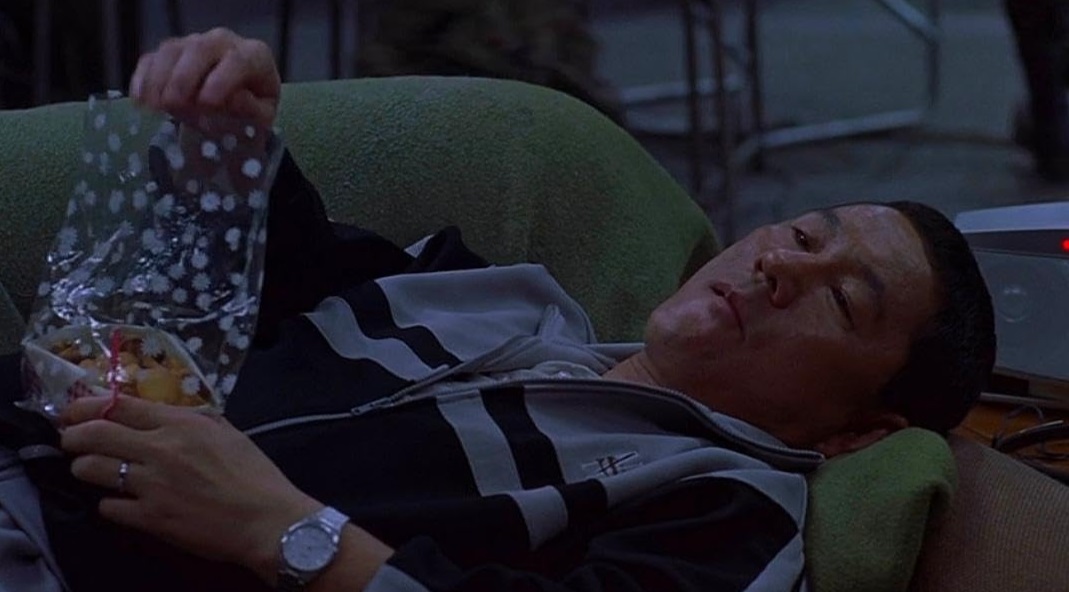
In the book, he goes by a completely different name (Kinpatsu Sakamochi); in the film however, he goes by the same surname, as the actor who plays him (for reasons I don’t know). Takeshi Kitano (or Beat Takeshi as he is also known), is most likely remembered for those who have not seen Battle Royale, for his role in the cult japanese gameshow series Takeshi’s Castle. In Battle Royale meanwhile he plays a former school teacher, turned BR program instructor. His approach is methodical, but also instantaneous. He can go from trying to be kind and respectful in his delivery, to shouty, loud, and of course lethal. In one instance he’s trying to get kids to watch the instructional video with enthusiasm, where as the next he throws a knife at the head of another. He is a very strange, and mysterious character with strange unknown motives, who can show great kindness to one teen, where as to another…he sets off the kids explosive collar.
But because of his presentation, and how well Kitano plays…Kitano; he enriches every scene he is in. There is a reason the original theatrical trailer features mostly him. It’s because he sells the film so well, and in the film, explains it so well. He is a villain, but a villain you can like, because of his common (but lethal) sense approach to the situation, which in turn leads to his rather mystical like downfall.
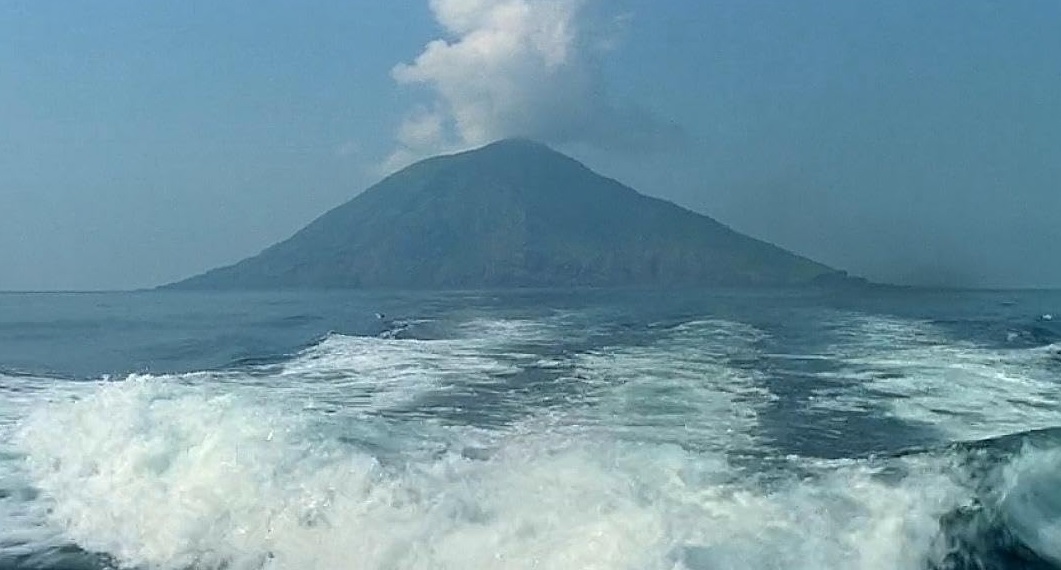
Battle Royale is a Fantastic Film. Yes, it has a rather gruesome approach, and these days you can’t help but immediately consider if another major release has ripped-it-off. But, whilst it does have a slasher like approach, the film is more about survival in an intense situation. Yes it features a lot of death, but it also has a lot of heart, and even some incredible beauty (especially in the landscape the film is set in). Every character has an almost unique backstory, which means there are a lot to care about, but it just makes their demises’ that extra bit more shocking. But then to cap it all off, you have an incredibly likeable villain, who enriches every scene he’s in, even if he doesn’t talk much (but when he does, you’ll love what he says). It is a hard film to sell given it’s premise, but it’s so worth it!


Leave a comment