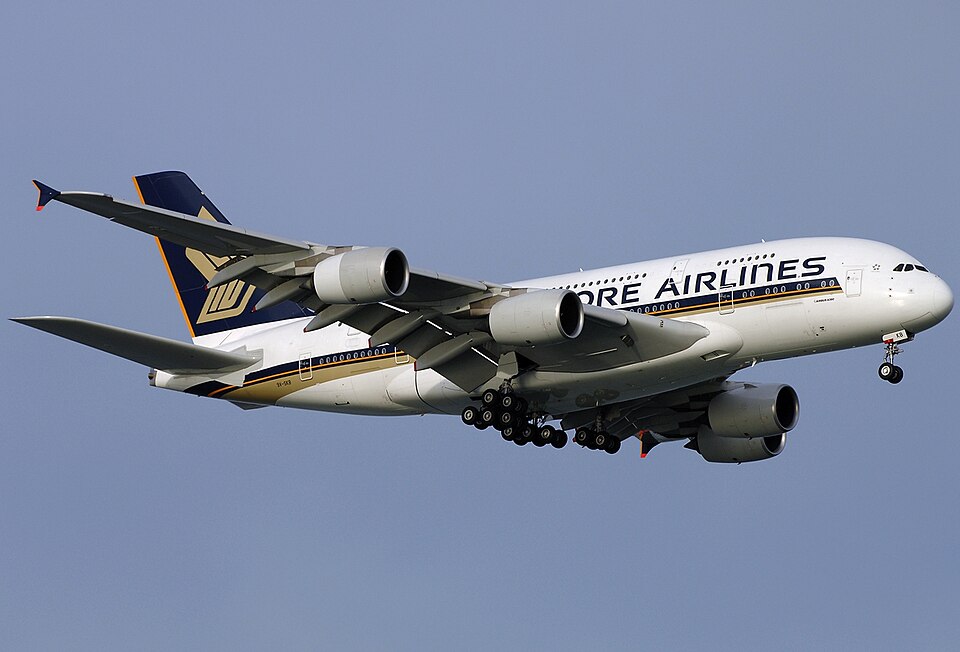
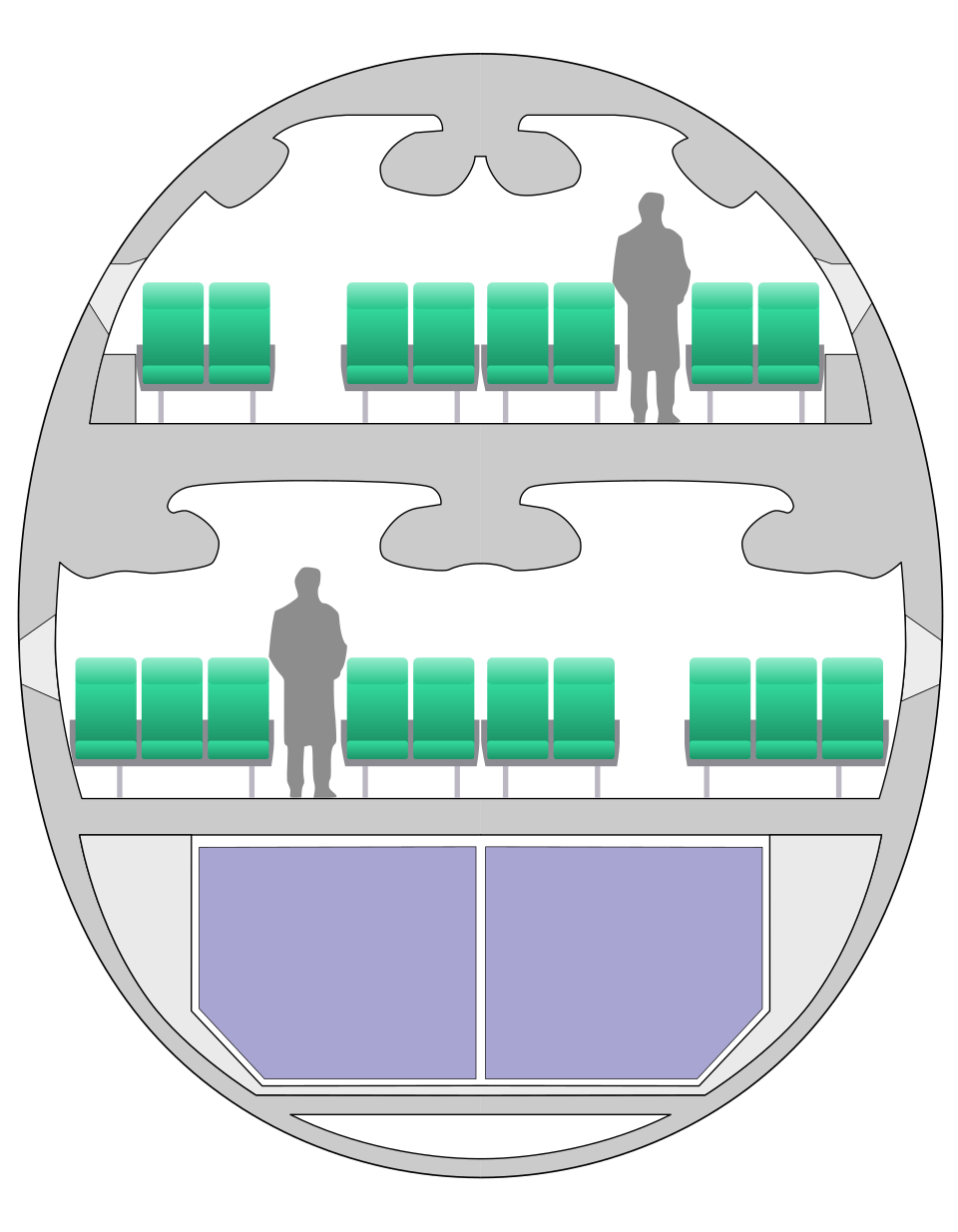
The Airbus A380 is a large wide-body airliner developed and produced by Airbus from 2003 to 2021! Since the plane’s introduction, it has been the largest passenger plane ever produced, and the only full length double decker plane too. In the late 1980’s, a group of Airbus engineers led by Jean Roeder, explored the possibilities of a high capacity plane. There were two reasons for this:
1. To complete Airbus’s range of products, and
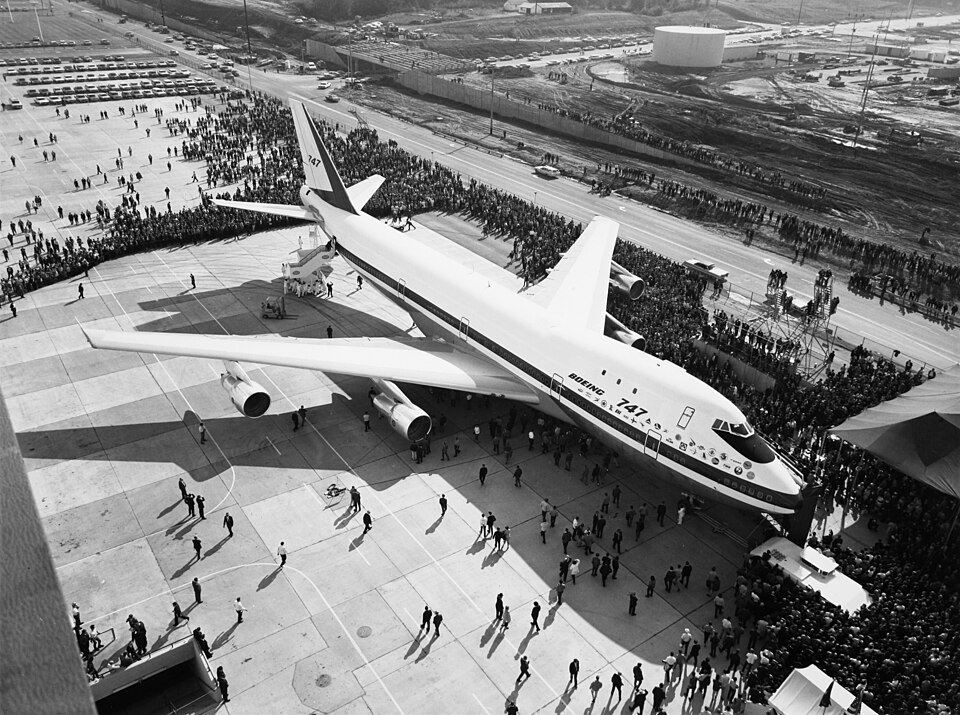
2. To try and break Boeing’s dominance of the market since the introduction of the 747 Jumbo Jet, which was launched back in 1970.
After a formal presentation to the CEO of Airbus, Roeder and his team were given approval for further evaluations, before announcing the project at the Farnborough International Airshow. In June 1994, Airbus announced their intention to proceed with the construction of the plane, which at the time was known as the A3XX. The plane would then later be renamed the A380, with the number 8 symbolising the plane’s double deck configuartaion.
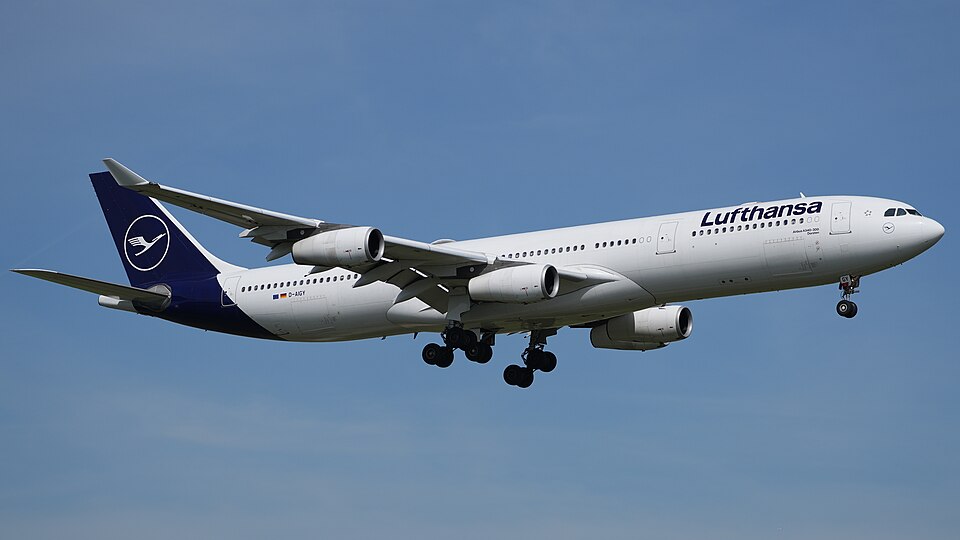
During the early design process, several ideas were floated. Keen to keep costs down, one suggestion was to pair two fuselage’s, of the company’s then largest offering; the Airbus A340. This idea potentially could have been done pretty cheaply, whilst also doubling the capacity. The idea though was scrapped, as it would have taken too long to evacuate in an emergency situation. Eventually they realised however that no compromises could be made, and a brand new design was required.
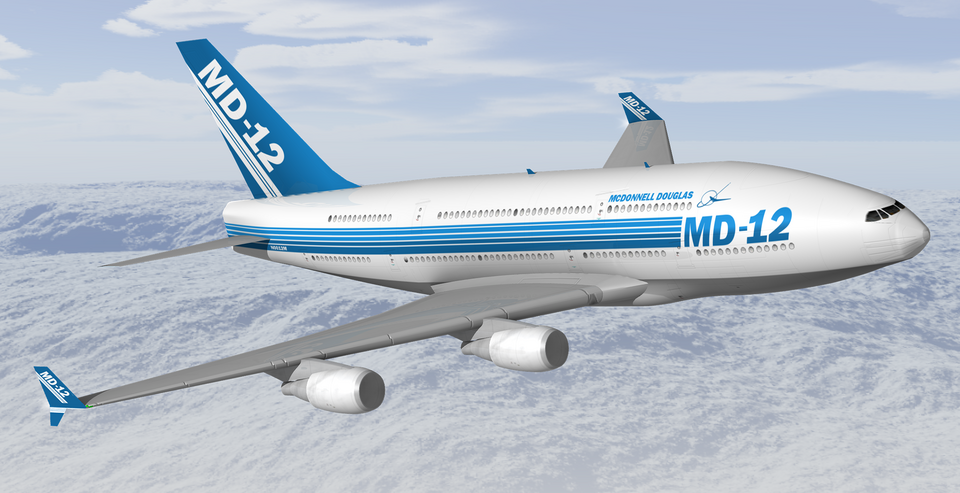
Whilst Airbus was proceeding with their own plane, other companies were also having ideas. Lockheed for example was considering building something simply called the ‘Very Large Subsonic Transport’, whilst McDonnell Douglas came up with an idea for their own double decker plane called the MD-12.
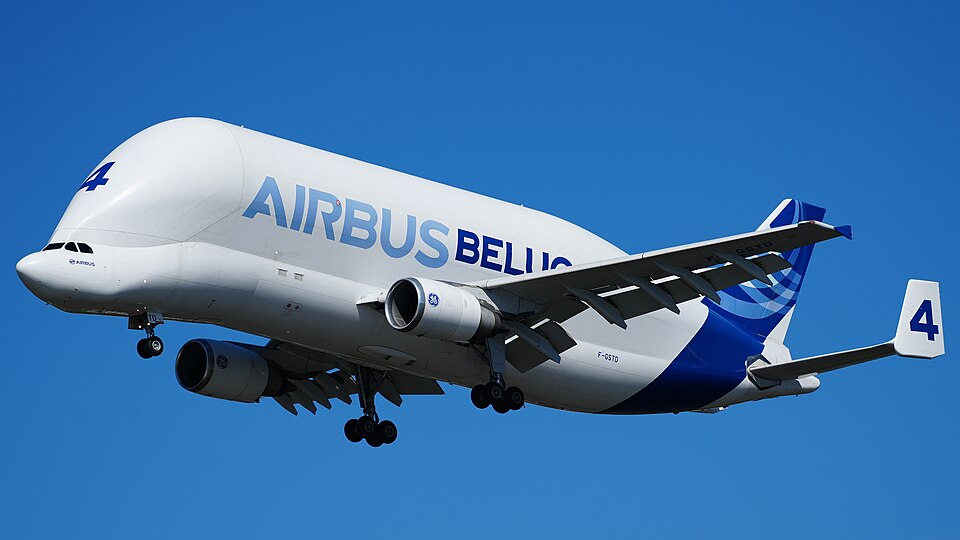
Much like many of Airbus’s projects, the different parts of the plane were built at different sites across Europe, in countries like France, Germany, Spain, and the UK. Due to the large specifications of the aircraft however, traditional methods proved unfeasible, and so had to be transported on more specialised routes, although some parts could still be moved by the famous Beluga planes too. All the parts then met up at the Jean-Luc Lagardère Plant in Toulouse.
About 17 years after the idea was first conceived, the A380 flew for the first time from Toulouse–Blagnac Airport. And in March 2006, the aircraft received approval from both the EASA and FAA to carry up to 853 passengers.
The production of the plane was a little fraught however, as it faced several major delays due to several issues, and testing wasn’t plain sailing either. But eventually it did enter service with it’s launch customer, Singapore Airlines. In total, 254 aircraft were built, with it’s largest operator being Emirates, who bought 116 aircraft in total. Other major operators included
Lufthansa, Etihad Airways, Qantas, British Airways, and Air France.
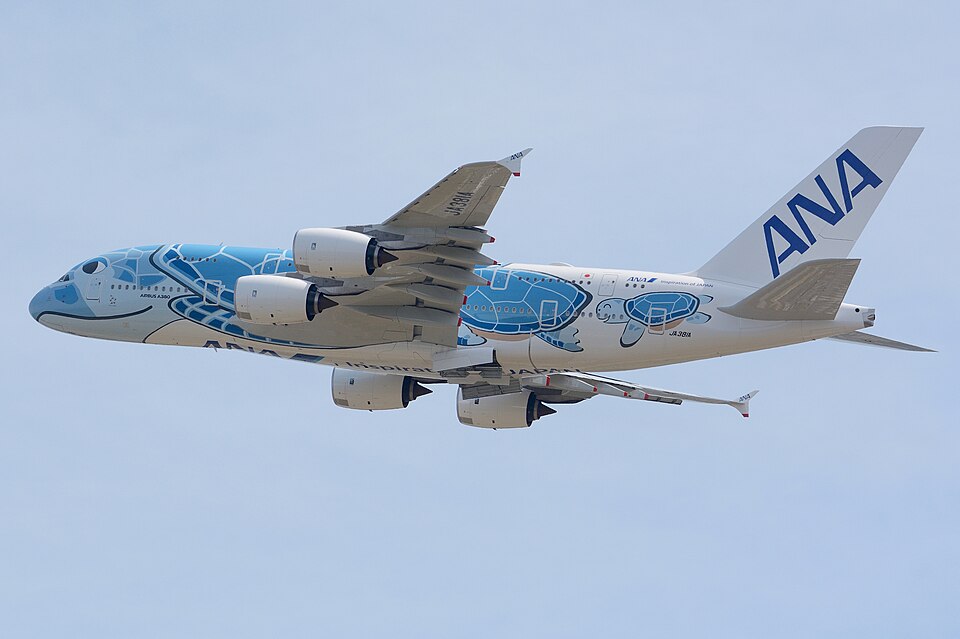
Due to the plane’s size and cost, it was considered unfeasible to continue. So production came to an end in 2021!


Leave a comment